


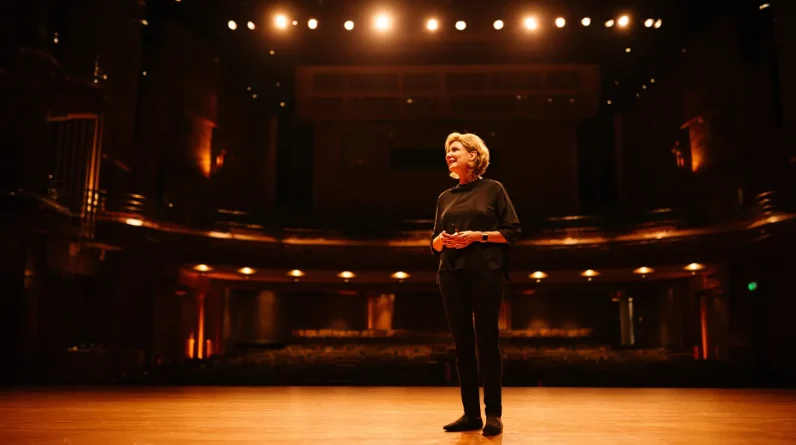
We’ll help you transform nervous energy into commanding presence through strategic preparation. Master your material with thorough research and clear organization. Practice daily, varying your delivery while seeking feedback from trusted mentors. Use box breathing and visualization to manage pre-speech anxiety, shifting focus from worry to present experience. Command the stage with purposeful gestures, vocal variety, and intentional movement. Finally, adapt to your room’s layout and audience energy for genuine connection. There’s much more to discover about each technique’s powerful impact.
Master Your Material Through Strategic Research and Organization
Before you step onto that stage, we’ve got to build a solid foundation with thorough research and clear organization. Start by diving deep into your topic—gather credible sources, understand opposing viewpoints, and identify what truly matters to your audience.
Next, develop an all-encompassing outline that maps your speech’s logical flow. This framework prevents rambling and keeps you focused. Break your message into concise talking points you can defend confidently. Each point should support your central thesis without overlap.
We recommend writing these points on note cards for quick reference. Practice retrieving information from memory rather than relying on scripts. When you’ve mastered your material this way, you’ll speak with authentic authority, adapt easily to unexpected questions, and maintain genuine eye contact with your audience.
Command the Stage With Purposeful Body Language and Vocal Delivery
Now that you’ve mastered your material, it’s time to channel that confidence into physical presence and vocal power. We’ll show you how to command attention through deliberate movement and sound.
- Adopt confident posture – Stand tall with shoulders back, feet shoulder-width apart. This alignment projects authority and opens your chest for fuller vocal resonance.
- Deploy energetic gestures – Use purposeful hand movements that emphasize key points. Keep gestures within your frame, avoiding distracting fidgeting or excessive movement.
- Modulate your vocal delivery – Vary pace, pitch, and volume to maintain audience engagement. Pause strategically for impact and comprehension.
These elements work synergistically. When you move with intention and speak with dynamic control, you’ll captivate your audience and reinforce your message’s power.
Build Confidence by Rehearsing Your Speech Multiple Times
Once you’ve established your physical and vocal presence, repetition becomes your greatest ally in building unshakeable confidence. We recommend you create a personalize practice routine tailored to your speech’s unique demands. Run through your material daily, varying your delivery to discover what resonates most powerfully.
We encourage you to prioritize feedback solicitation from trusted colleagues or mentors. Their insights reveal blind spots you can’t see alone. Record yourself practicing—you’ll catch verbal tics, pacing issues, and awkward shifts that undermine your message.
Practice in the actual venue when possible. Familiarity with the stage, lighting, and acoustics eliminates variables that trigger anxiety. Each rehearsal transforms nervous energy into muscle memory, allowing you to deliver with authentic command while staying fully present with your audience.
Manage Pre-Speech Anxiety With Proven Grounding Techniques
Even as you’ve rehearsed extensively, anxiety can still surge in those final moments before you step on stage. We’ll equip you with grounding techniques that transform nervous energy into focused presence.
- Breathe deeply using box breathing: Inhale for four counts, hold for four, exhale for four, hold for four. This activates your parasympathetic nervous system and calms your mind.
- Visualize success: See yourself delivering your speech flawlessly. Imagine audience engagement and your confident movements. This mental rehearsal primes your brain for peak performance.
- Ground yourself physically: Feel your feet on the floor, notice textures around you, and anchor yourself to the present moment.
These techniques work because they shift your focus from anxious thoughts to immediate sensory experience, enabling you to perform at your highest level.
Connect With Your Audience by Adapting to the Room
With your anxiety managed and your mind focused, you’re ready to engage the room itself—and that engagement starts before you speak your first word. We must read the space: note the layout, lighting, and audience positioning. Make eye contact with different sections of the room to build connection and trust. Scan from left to right, holding each gaze briefly to create intimacy at scale.
Create interactive moments by pausing strategically for responses or questions. Adjust your pacing based on audience energy—quicken if they’re losing focus, slow if they’re absorbing complex ideas. Move purposefully across the stage rather than pacing nervously. Let silence breathe. You’re not performing at your audience; you’re conversing with them. This adaptation transforms delivery from presentation into genuine connection.
Conclusion
We’ve equipped you with everything needed for confident stage delivery. You’ve mastered your material, commanded the stage with presence, rehearsed extensively, and managed anxiety through grounding techniques. Now here’s the pivotal question: aren’t you ready to connect authentically with your audience? Remember, every accomplished speaker started exactly where you are. Trust your preparation, embrace the moment, and let your confidence shine through. You’ve got this.






