


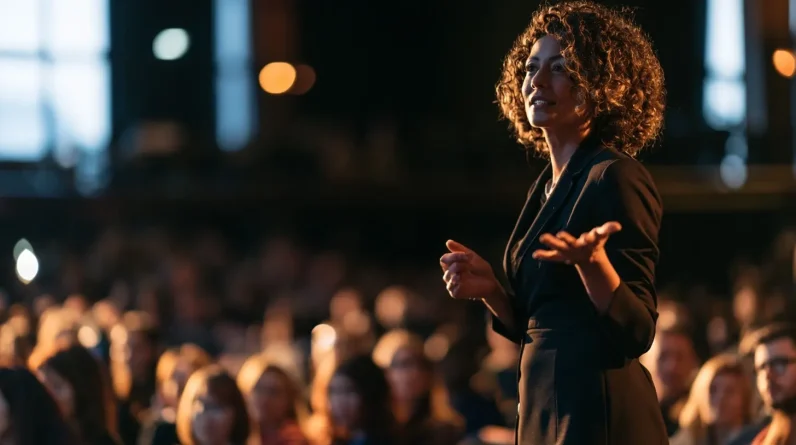
By the time we step on stage, our audience has already decided how much to trust us. Connection starts earlier—through mingling, reading the room’s energy, and steady body language backstage. We build rapport before a single word of the talk begins, so the opening feels earned, not forced. Want to know exactly how to read the room and turn early trust into stage presence? Let’s break it down step by step below.
Why Audience Connection Begins Before You Speak
Before we ever step foot on stage, our audience has already started forming an impression of us. They’ve seen our name in the program, read our bio, maybe caught a promotional video or a social media post. Every touchpoint shapes their expectations—and our connection with them starts right there, not at the podium.
That’s why pre event engagement matters so much. When we interact with attendees beforehand—responding to messages, showing genuine interest in the event, engaging with organizers—we’re building trust before we say a single word.
Our speaker mindset plays an equal role. If we walk in viewing the audience as partners rather than judges, we carry warmth and confidence that people sense immediately. Connection isn’t a switch we flip on stage—it’s a foundation we build well before we arrive.
Read the Room Before You Ever Take the Stage
How do we perceive what our audience needs before we’ve said a word to them? We watch. We arrive early and observe audience dynamics as people find seats, check phones, and chat with neighbors. Their energy tells us everything: restless crowds need a strong hook, quiet ones need warmth before content.
Space awareness matters just as much. We walk the room, note the lighting, check sightlines, and feel where energy pools or thins. A packed front section signals enthusiasm; empty front rows signal hesitation we’ll need to overcome.
This groundwork isn’t optional—it’s strategic intelligence gathering. When we read the room first, we adjust our opening line, tone, even our posture before we take the stage. Mastery starts with observation, not performance.
Use Arrival and Mingling Time to Build Early Trust
Twenty minutes before we speak, we’re already speaking—just not from the stage. Smart arrival strategies mean showing up early enough to shake hands, ask names, and listen before we ever pick up a microphone. We’re not networking for ourselves—we’re gathering intel and planting seeds of familiarity.
Effective mingling techniques focus on curiosity, not performance. We ask what brought people here, what they’re hoping to leave with, and we remember at least three names to reference later. That single move—”Sarah mentioned this earlier”—signals we were paying attention, not just performing.
Trust built face-to-face in those minutes transfers directly to credibility on stage. When we walk up, we’re not strangers anymore—we’re already halfway connected before we say a word.
Master Your Body Language in the Wings
The last sixty seconds backstage shape everything that follows. Our bodies broadcast confidence or doubt before we say a single word, and audiences read those nonverbal signals instantly. We can’t fake presence—we build it deliberately, right there in the wings.
Master these body language cues before you step out:
- Drop your shoulders. Tension reads as fear; release it.
- Plant your feet. A stable stance signals control.
- Breathe from your diaphragm. Shallow breath tightens your voice.
- Soften your jaw. Clenching broadcasts anxiety, not authority.
These small adjustments recalibrate your nervous system fast. When you walk onstage already grounded, your audience feels it immediately. That first impression of ease invites trust before you’ve spoken a single sentence.
Open Your Talk With Momentum You Already Earned
A handshake at the door, a nod from the organizer, laughter shared in the hallway minutes before we speak—these moments aren’t small talk. They’re currency we’ve already earned, and we spend it the second we step onstage. Don’t waste that trust on a slow warm-up. Open with the energy you built backstage. Reference the conversation you just had, the name you learned, the detail someone shared. That’s how engaging stories start—rooted in real connection, not rehearsed lines. Weave in relatable anecdotes from those pre-talk exchanges, and your audience feels the continuity instantly. They sense they’re part of something already in motion, not waiting for us to warm up. That momentum is ours to claim—so claim it immediately, deliberately, and with full command of the room.
Frequently Asked Questions
How Early Should I Arrive Before a Speaking Engagement?
We recommend arriving at least 30-45 minutes early. This arrival time lets us mingle, gauge energy, and build audience familiarity before stepping onstage—setting up the genuine connection that makes our message land powerfully.
What if the Organizer Doesn’t Allow Mingling Time Beforehand?
We’ll shift our preparation techniques inward: arrive early anyway, greet staff, and mentally rehearse rapport building. Strong speaker presence radiates regardless—it’s our energy that sparks audience engagement, not just physical mingling time.
How Do I Recover if I Miss Pre-Stage Connection Time?
Don’t panic—we can still win them over. Open with confident body language, then launch into storytelling techniques that spark instant audience engagement. Your speech preparation becomes your safety net, letting genuine connection happen naturally, right from your first sentence.
Does Virtual Speaking Require Different Pre-Connection Strategies?
Yes—we adapt for virtual engagement by managing audience expectations early, strengthening our digital presence, and mastering platform nuances. We use interactive tools and personal anecdotes before “going live” to build authentic connection despite the screen between us.
How Do Nerves Affect My Ability to Connect Early?
Nervous energy naturally narrows your audience perception before you’ve even started. We recommend anxiety management techniques—deep breathing, power posing—to shift jitters into confidence building. Master engagement techniques early, and we’ll transform nerves into magnetic presence.
Conclusion
Let’s be honest: we don’t clap for speakers who sprint onstage like they’re escaping a fire drill, sweaty notecards flapping. We connect with the ones who already own the room before the mic’s even hot. So skip the dramatic entrance. Read the room, work the crowd, stand like you belong—because we both know the applause you “earn” at the podium was actually earned in the hallway ten minutes earlier.






