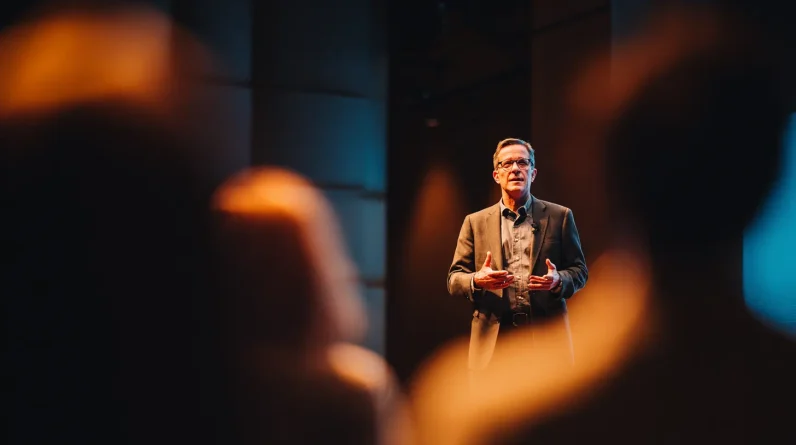
When we write for the ear, everything changes. We keep sentences short—under 15 words when possible. We build rhythm by mixing quick bursts with longer thoughts. We lean on repetition and parallel structure to create emotional pull. Punctuation becomes a performance tool, marking pauses and breath cues. Our openings grab immediately, and our closings leave something that lingers. Stick with us, and we’ll show you exactly how it’s done.
Why Spoken Sentences Need to Be Shorter Than Written Ones
When we speak, our audience can’t reread a sentence they didn’t catch the first time. That’s a fundamental difference between written and spoken communication, and it changes everything about how we should structure our sentences.
Long, clause-heavy sentences destroy audience engagement. By the time we finish delivering one, listeners have already lost the thread. Sentence clarity becomes impossible when a single thought stretches too far.
The fix is straightforward: cut sentences in half. If a sentence runs longer than fifteen words, break it. Give each idea its own breath, its own beat. Short sentences land harder. They’re easier to follow, easier to remember, and easier to feel.
Speak in bursts. Let the pauses do the work. Your audience will stay with you every step.
The Rhythm Techniques That Make Speeches Impossible to Ignore
Rhythm is what separates a speech people endure from one they can’t stop thinking about. We create that pull through cadence variety — deliberately alternating between short punchy sentences and longer, more expansive ones. That contrast keeps ears engaged and minds alert.
Emphatic pauses do something words alone can’t: they give ideas room to land. Place one after your strongest claim, and suddenly the audience leans in rather than drifting away.
Try this pattern: build momentum through repetition, then break it. The break becomes the beat people remember.
We’re not just writing sentences — we’re composing something closer to music. When cadence variety and emphatic pauses work together, we stop competing for attention. We command it.
How Repetition and Parallel Structure Create Emotional Impact
Repetition doesn’t just reinforce an idea — it builds it into something the audience feels. When we return to a phrase deliberately, we’re not being redundant; we’re creating emotional resonance through rhythm and weight. Think of “We shall fight on the beaches… we shall never surrender.” Each repetition compounds the conviction.
Parallel structure works the same way. When our sentences mirror each other grammatically, we signal to listeners that ideas carry equal importance. It’s one of the most powerful rhetorical devices because it makes complexity feel organized and urgent simultaneously.
We use these tools together — repeated phrases in parallel form — and something shifts. The audience stops processing the speech intellectually and starts experiencing it emotionally. That’s exactly where persuasion lives.
Write for the Ear: Punctuation, Pauses, and Breath Cues
A speech isn’t read — it’s heard, and that changes everything about how we write it. Punctuation becomes instruction. A period signals a full stop. A dash — like this one — creates a dramatic beat. We’re not writing for the eye; we’re engineering intonation patterns that guide a speaker’s voice through each sentence.
Breath cues matter enormously. Short sentences force pauses. They let ideas land.
We use auditory imagery deliberately — words that feel physical in the mouth, rhythms that pull listeners forward. Mark your script like a musician marks a score: slash marks for pauses, underlines for emphasis, double spaces where silence should breathe.
When we write for the ear, punctuation stops being grammar. It becomes performance.
The Opening and Closing Lines That Make Speeches Stick
How a speech begins determines whether the audience leans in or checks out — and how it ends determines what they carry home. Strong hook strategies don’t ease listeners in — they drop them into something immediate: a bold claim, a provocative question, or a story already in motion. We skip the warm-up. We start with tension.
Closings deserve equal precision. Memorable conclusions don’t summarize — they land. We return to the opening image, crystallize the central idea into one unforgettable line, or issue a direct call to action that leaves the audience with purpose. The final sentence should feel inevitable, not tacked on. What we say last echoes longest — so we make those words count.
Frequently Asked Questions
How Do You Adapt a Written Speech for Different Audience Sizes?
We adapt through audience analysis and flexible speech structure. For intimate crowds, we use conversational tone; for larger ones, we amplify repetition, slow our pacing, and punch key phrases harder so every listener feels directly addressed.
What Role Does the Speaker’s Vocal Tone Play in Delivery?
Vocal tone is our orchestra—it conducts everything. We use vocal variety to shape meaning, transforming flat words into felt experiences. When we nail emotional resonance, our voice doesn’t just speak; it moves people.
How Long Should an Effective Speech Typically Be?
We’ve found the sweet spot for speech duration sits between 10–20 minutes. That’s where audience engagement peaks — long enough to build momentum, short enough to leave them wanting more.
Can Humor Be Effectively Incorporated Into Serious Speeches?
Yes, humor belongs in serious speeches. Don’t picture clowns — picture relief. Strategic humor types like self-deprecation or irony deepen audience connection, letting listeners breathe before we guide them back into the weight of our message.
How Do You Handle Nervousness While Delivering a Speech?
We conquer nervousness by mastering breathing techniques before stepping up—slow, deep breaths reset our focus instantly. We also use positive visualization, mentally rehearsing a triumphant delivery, which rewires our confidence and transforms anxiety into powerful, electrifying presence.
Conclusion
When we put these techniques to work, something shifts. Our words stop sitting quietly on a page and start moving through a room, finding their way into people. The best speeches don’t just inform — they linger. They leave something behind. So let’s stop writing for the eye and start writing for the ear. The difference between a speech that lands and one that simply concludes isn’t small. It’s everything.