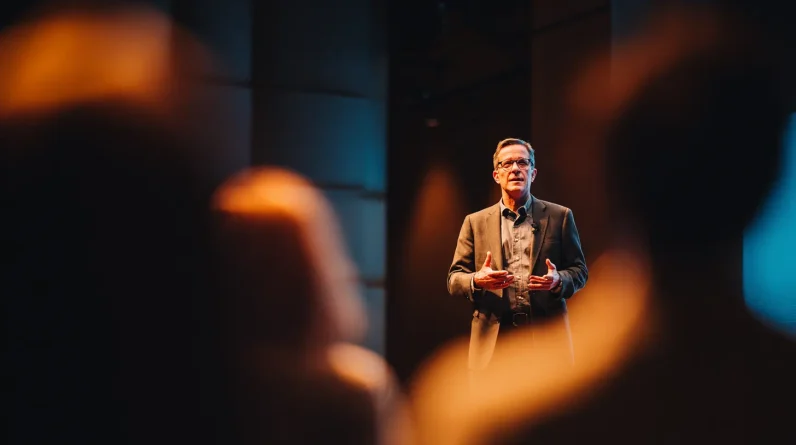
Good speeches inform. Unforgettable speeches move people. The difference comes down to deliberate technique — how you structure emotional tension, choose language that lingers, and build toward a conclusion people can’t stop quoting. These aren’t natural gifts reserved for a talented few. They’re learnable patterns that transform how an audience feels, thinks, and acts. Master them, and you’ll never just deliver words again — you’ll command the room. Keep going, and we’ll show you exactly how.
The Techniques That Make Speeches Truly Unforgettable
When a speech truly lands, it doesn’t just inform — it moves people, shifts perspectives, and lingers in memory long after the applause fades. What separates forgettable from unforgettable isn’t volume or vocabulary — it’s technique.
We’re talking about refined storytelling that pulls listeners into a moment rather than lecturing them from a distance. It’s about structure that builds tension, releases it, and leaves something resonant behind. Impactful pauses do more than fill silence — they give audiences space to feel the weight of what’s been said.
These aren’t decorative choices. They’re deliberate, disciplined tools that the greatest communicators wield with intention. Master them, and we stop simply delivering words — we start commanding rooms.
How Structure Controls What Your Audience Feels
Structure isn’t just scaffolding — it’s the invisible hand that guides what an audience feels and when they feel it. Master speech architecture, and we control the entire emotional journey. Every deliberate opening, every pivot, every pause — these aren’t accidents. They’re precision tools.
Pacing techniques determine tension and release. Narrative flow carries listeners forward without resistance. Memorable exchanges signal emotional shifts, priming the audience before they consciously recognize the change. When we engineer these elements intentionally, audience engagement stops being luck and becomes craft.
Think of emotional impact as a series of planned detonations — each one building on the last. Structure tells us exactly where to place them. Get this right, and our speeches don’t just land. They linger.
The Language Patterns Great Speakers Rely On
Once we’ve built the architecture, we need the right words to fill it — and great speakers don’t choose language casually. They rely on metaphorical language to make abstract ideas tangible, transforming complex concepts into something audiences can feel. They craft rhythmic phrases that move like music, embedding messages deeper into memory. They deploy powerful imagery that forces listeners to see, not just hear. Every word choice creates emotional resonance — that invisible thread connecting speaker to audience at a human level. And through evocative storytelling, they don’t just inform; they transport. These aren’t decorative techniques. They’re precision instruments. When we master language patterns deliberately — choosing words that ignite rather than merely inform — we stop giving speeches and start creating experiences people carry with them long after they’ve left the room.
Why Emotional Tension Is Your Most Powerful Tool
Tension is the engine of every great speech — and most writers never learn to use it deliberately. Emotional resonance doesn’t come from saying the right things; it comes from withholding resolution long enough that your audience needs it. Tension building works because the human brain craves completion. When you introduce a problem, a contradiction, or an unanswered question, you create psychological pressure that demands release. Great speakers understand this instinctively — they delay the answer, deepen the stakes, and let discomfort do the work. The payoff lands harder because the audience earned it alongside you. If your speech feels flat, it’s not missing better words. It’s missing friction. Give people something to lean into, and they’ll follow you anywhere.
How to End a Speech They’ll Never Stop Quoting
Every great speech ending does one thing: it gives the audience a line they’ll repeat at dinner that night. Powerful conclusions aren’t summaries — they’re ignition points.
Here’s how we craft impactful quotes that outlive the moment:
- Echo your opening — Return to your first image or phrase with new meaning attached.
- Compress your thesis — Distill everything into one unforgettable sentence.
- Use rhythm — Short. Then shorter. Then one word.
- Issue a challenge — Leave them with something to do, not just feel.
We’re not closing a speech; we’re opening a conversation that continues without us. The final line is the one they carry home. Make it worthy of the journey.
Frequently Asked Questions
How Long Should a Memorable Speech Typically Be to Maintain Engagement?
We’ve found the sweet spot for speech length sits between 18–22 minutes—long enough to deliver substance, short enough to honor audience attention. Master this, and we’ll keep every listener riveted from start to finish.
Should You Memorize Your Speech or Use Notes While Speaking?
Like Churchill commanding Parliament, we recommend blending both: memorization benefits your opening and closing, while smart note-taking strategies keep you anchored mid-speech, ensuring you’re always confident, connected, and compelling with your audience.
How Do You Handle Unexpected Interruptions or Technical Difficulties Mid-Speech?
When interruptions strike, we don’t panic—we pause, breathe, and own the moment. Our speech adaptability transforms audience distraction into connection. We acknowledge it, inject humor if appropriate, then redirect powerfully, turning disruption into a memorable demonstration of unshakeable confidence.
What Role Does a Speaker’s Physical Appearance Play in Audience Reception?
We can’t underestimate how powerfully first impressions shape perception before we’ve uttered a single word. Our physical appearance sends nonverbal cues that either command authority or undermine credibility—so dress, posture, and presence intentionally.
How Soon Before Delivery Should You Finalize Your Speech Content?
We recommend completing speech finalization at least 48 hours before delivery. This buffer lets us step away, return with fresh eyes, and execute one final content revision that transforms a good speech into something truly unforgettable.
Conclusion
We’ve covered the tools that transform ordinary words into lasting legacies. Structure, language patterns, emotional tension, and powerful endings aren’t optional extras — they’re the foundation everything else stands on. Think of a great speech like a well-forged blade: every element sharpened with intention, every word cutting through the noise. When we apply these techniques deliberately, we stop just speaking to audiences — we start changing how they think, feel, and act forever.